
2nd INTERNATIONAL CONFERENCE ON INSITU MEASUREMENT OF SOIL PROPERTIES AND CASE HISTORIES

INSITU 2026
Bali, Indonesia - September 21 - 23, 2026
Keynote Speakers
The committee invites some keynote speakers who are well known practical experts

Influence of CPT Spatial Coverage on Subsurface Interpretation and the Design of Piles
Prof. Jason De Jong
University of California, Davis, USA
Chair of TC 102, ISSMGE
Abstract :
The characterization of a project site requires performing a site investigation program that is sufficiently rigorous to capture the subsurface conditions at a fidelity level appropriate to the geosystem system being designed. However, the level of rigor appropriate depends on the geological processes that formed the site, the suite of site investigation tools necessary to evaluate the soils present, and the characteristics and properties necessary for the system to be designed. Therefore, the appropriately rigorous solution is going to be project specific. Yet, little guidance is available to determine what level of detail is necessary. For example, how closely spaced should CPT soundings be spaced to assess the spatial variability? What might be the consequence of the number of CPT soundings be on the performance of a geosystem, such as a pile group? This paper synthesizes the results of two studies, one targeting each of these questions. The first examines the CPT spacing required to characterize the spatial structure of an alluvial sand deposit, as well as considers the potential errors and misunderstanding of the actual subsurface conditions. The second examines how the varying levels of characterization affect the accuracy of predicting the performance of pile groups founded in these alluvial deposits. The uncertainty in performance prediction of piles requires an increase in the design factor of safety and therefore costs. Therefore, improved characterization by increasing the number of CPTs will reduce the design conservatism required. Collectively, these studies provide insights and improved understanding of how the rigor of site characterization performed affects characterization of the subsurface conditions and the uncertainty of pile groups.
Biography :
Dr. Jason DeJong is a Professor at the University of California, Davis and the Director of the Center for Geotechnical Modeling. Prof. DeJong’s major technical achievements have been in the areas soil and site characterization, earthquake engineering, biogeotechnics, and geotechnical sustainability. Jason has developed or refined several in situ, laboratory, and modeling tools as well as data quality and correction methods, to improve the characterization of difficult soils – soft sediments, intermediate soils, tailings, and gravelly soils. Results from his research program have been disseminated through more than 300 publications. His contributions have been recognized through the ASTM International Hogentogler Award (2x), Prakash Research Award, ICE Telford Premium Prize, ASCE Prakash Award, and as an ASCE Fellow. Jason is actively engaged with industry in implementing research advancements into practice and serving as a technical reviewer for large infrastructure projects.

Recent Advances in Flat Dilatometer Testing
Prof. Paola Monaco
University of L'Aquila, Italy
Vice Chair of TC 102, ISSMGE
Abstract :
This paper reviews recent advances in flat dilatometer (DMT) and seismic dilatometer (SDMT) testing associated with the use of the fully automated Medusa DMT/SDMT. Unlike the traditional pneumatic system, the probe generates and measures pressure directly at depth and controls membrane expansion automatically, improving measurement timing, repeatability, and suitability for deep and offshore deployment. Results from benchmark soft clay sites (Onsøy, Sarapuí II) show reduced scatter in measured pressures and closer agreement with independent reference profiles of interpreted soil parameters, while variable-rate tests at Halden illustrate the influence of partial drainage on DMT results in silts. Offshore case histories from Genova and Barcelona ports demonstrate seabed deployment and highly repeatable shear wave velocity measurements, with coefficients of variation reported below 4% in the Barcelona tests. The findings show that automation expands both the reliability and experimental scope of DMT/SDMT testing, although generalized interpretation procedures for intermediate soils remain under development.
Biography :
Paola Monaco is Professor of Geotechnical Engineering at the University of L'Aquila, Italy. Her main research topics include: characterization of soil deposits by in-situ tests (in particular by flat / seismic dilatometer) and soil liquefaction. She has authored more than 120 papers published in journals and conference proceedings. She has coordinated research teams in international and national projects. She has been invited lecturer, general reporter and panelist in international conferences. She has been part of the organizing / scientific committee of numerous conferences, seminars and workshops. She has lectured in courses and seminars organized by research institutions and professional associations worldwide. She has been active in the ISSMGE Technical Committee TC102 – Site Characterization, currently as Vice Chair.

Monitoring and Analysis of Groundwater for a MRT Station in Taichung City
Prof. Keh Jian Shou
Past Vice President for Asia of ISSMGE, National Chung-Hsing University, Taiwan
Abstract :
During the geotechnical engineering works in the urban and terrace areas of Western Taiwan, construction difficulties, project delays, or damages often arise due to difficult geology conditions, including the obstacles caused by the gravelly lateritic formations. The gravelly lateritic formations are like composite material comprises the gravel particles and the surrounding sandy soil. Since the material properties of this composite like material are difficult to determine, it is difficult to have a precise design and engineering work. This study addressed key issues and typical difficulties encountered in geotechnical engineering within gravel formations, focusing on deep excavation of a MRT station in Taiwan. The discussions include mechanisms of failure, parameter determination, and the interaction behavior between foundation piles and soil. This study applied numerical analysis software ABAQUS to conduct relevant three-dimensional numerical simulations aimed to obtain reason parameters and provide suggestions for pile support involving deep excavation in gravel formations.
Biography :
Prof. Keh-Jian (Albert) Shou is a Distinguished Professor in the Department of Civil Engineering at National Chung Hsing University, Taiwan. He currently serves as Chairman of the International Society for Trenchless Technology (ISTT) and Honorary Chairman of the Chinese Taipei Society for Trenchless Technology (CTSTT). He also served as Vice President for Asia of the International Society for Soil Mechanics and Geotechnical Engineering (ISSMGE) from 2022 to 2026. Prof. Shou received his Ph.D. in Civil Engineering from the University of Minnesota, USA, in 1993. His research interests include rock mechanics and rock engineering, engineering geology, and trenchless technologies. He has published more than 200 technical papers and serves as Editor of Tunnelling and Underground Space Technology (SCI), as well as Associate Editor of the ASCE Journal of Pipeline Systems Engineering and Practice (SCI) and Underground Space (SCI). Throughout his distinguished career, he has held professional and academic appointments in the United States, Japan, South Africa, and Taiwan, contributing significantly to the advancement of underground infrastructure, geotechnical engineering, and trenchless technologies worldwide.

Geomaterial Characterization and Reliability-Based Foundation Design
Prof. Widjojo Adi Prakoso
University of Indonesia
President of Indonesian Society for Geotechnical Engineering (HATTI)
Abstract :
TBA
Biography :
Prof. Widjojo A. Prakoso is a member of the teaching and research staff at Universitas Indonesia. He received his BEng in Civil Engineering with an emphasis in structural engineering from Universitas Indonesia in 1993. From 1996 to 2001, he pursued graduate studies at the School of Civil and Environmental Engineering of Cornell University, USA in geotechnical engineering. He conducts actively research on foundation engineering and earthquake engineering. He has written more than 140 engineering articles. He has been appointed as a member of Road Bridge and Tunnel Safety Commission (since 2015), Expert Panel for Building Design for Jakarta Government (since 2014). He is also a licensed professional geotechnical engineer. Currently, He serves as the president of Indonesia Society for Geotechnical Engineering and also the chair of geotechnical working group of the Indonesia National Earthquake Research Center.

Experimental and New Numerical Investigations of The CPT in Granular Soils
Prof. Barry Lehane
University of Western Australia
Abstract :
The paper describes results from a laboratory-based study, performed in calibration chambers and centrifuges, that examined the primary factors affecting the relationship between cone penetration test (CPT) end resistance and relative density of a granular material. CPTs in 14 different materials were performed, which included organic particles and steel balls in addition to glass beads and natural silica/carbonate sands. Clear dependencies on the in-situ stress conditions and on the materials’ critical state friction angles are identified, which are subsequently used to deduce improved empirical relationships for assessment of relative density from CPT data. The paper then presents results from numerical analyses that simulate cone penetration using the small-strain finite element ‘press-replace’ method and represent the granular materials using the ‘hardening soil’ constitutive model. The analyses examine effects of the same parameters investigated in the laboratory experiments. Predictions are shown to be in excellent agreement with the experimental data, indicating that numerical techniques have now reached the stage where ongoing developments in CPT-based correlations for engineers can be greatly enhanced using these techniques.
Biography :
Professor Barry Lehane has worked as a practitioner and academic in geotechnical engineering since 1984. Barry obtained his Civil Engineering degree from University College Cork in Ireland and then worked with Arup Geotechnics in London until he began his PhD at Imperial College, London in 1989. Following completion of his PhD in 1992, he again worked with Arup in London and Hong Kong before taking up a lecturing position at Trinity College in 1994. He moved to Perth in 2002 and has remained as a Professor at the University of Western Australia since then. Barry has published about 350 technical papers in international journals and conferences, and he continues to consult widely on a wide variety of national and international projects.

Site Characterization of Hydrate-Bearing Ground using Flat Dilatometer
Prof. Dr.-Ing. Wei Wu
Universität für Bodenkultur (BOKU), Vienna, Austria
Abstract :
TBA
Biography :
Prof. Dr.-Ing. Wei Wu is Professor and Director of the Institute of Geotechnical Engineering at BOKU University, Vienna, Austria. He obtained his Dr.-Ing. in Geotechnical Engineering from Karlsruhe University, Germany, and has over three decades of experience in geotechnical engineering, spanning academia, consulting, and research. His research interests include geomechanics, constitutive modelling, and computational geotechnics. Prof. Wu serves as the founding Editor-in-Chief of Acta Geotechnica and the Springer Series in Geomechanics and Geoengineering, and is also an Associate Editor of the Canadian Geotechnical Journal. He has edited several books, organized numerous international conferences, and was awarded the prestigious European Research Council (ERC) Advanced Grant and the Gold Medal of the Technical University of Brno in 2024.

Current Trends and Future Directions in Geotechnical Peat Research in Europe: The ELGIP Perspective
Dr. Marco D'Ignazio
Tampere University, Finland
Abstract :
Peat is one of the most challenging geomaterials in European geotechnical engineering. Its high organic content, fibrous fabric, extreme compressibility, time-dependent behaviour and pronounced spatial variability make characterisation, sampling, testing and modelling difficult, while peatlands are increasingly affected by infrastructure development, land subsidence, land sliding and the drive to reduce carbon-intensive ground improvement. Meeting these challenges requires better integration of field observations, laboratory data, geophysics, numerical modelling and data-driven approaches. This paper reviews current trends and future directions in geotechnical peat research in Europe from the perspective of the European Large Geotechnical Institutes Platform (ELGIP) peat working group. It draws on recent ELGIP activities: benchmark full-scale load tests and rate-controlled laboratory testing on Dutch peat; holistic, low-impact construction and interdisciplinary characterisation of a Norwegian peatland; physical model testing, strength and stability studies, and new field sampling and classification methods from Sweden. Attention is given to new in-situ methods developed specifically for peat, including novel probing approaches for sounding and strength determination, and to the emerging role of machine learning for predicting compressibility, yield stress and shear strength from harmonised databases. The review shows that European peat research is moving towards integrated, multi-scale characterisation and modelling. Classical empirical correlations remain valuable, especially for compressibility, but are insufficient for the variability of strength and stiffness, which depend on strain rate, stress history, fabric and drainage. Progress depends on combining well-instrumented test embankments, improved in-situ methods, high-quality sampling, advanced laboratory and model testing, and constitutive models that represent the distinctive behaviour of peat. Machine learning offers potential for refined, site-specific assessment, though presently constrained by limited, heterogeneous datasets. Future progress will depend on shared databases, improved testing protocols, transparent model interpretation, and closer links between geotechnical design, sustainability and carbon reduction.
Biography :
Marco D’Ignazio is an Adjunct Professor in Sustainable Geotechnical Engineering and Senior Research Fellow at Tampere University, Finland, with more than 10 years of combined experience in academia and industry. His research focuses on geotechnical engineering for infrastructure and offshore energy, particularly soil characterisation, foundation design, and modelling in complex ground conditions, including glacial and soft soils. He combines field investigations, experimental data, numerical modelling, and data-driven methods to improve geotechnical analysis and support design under uncertainty. He has authored numerous scientific publications and is actively involved in international research on peat through the European Large Geotechnical Institutes Platform (ELGIP), as well as on site characterisation, offshore foundations, and sustainable geotechnical engineering.

Construction and Application of a Geo-Fiber Optic Sensing Network Using Geological Boreholes
Prof. Bin Shi
Nanjing University, China
Abstract :
Earth habitability is a frontier scientific focus in the 21st century. As the geologic bodies on which humans depend, they are constantly moving under the effect of natural forces and human activities. Their instability directly leads to geological and geotechnical engineering disasters, affecting the living environment, engineering safety, and sustainable social and economic development. Therefore, the acquisition quality of geotechnical engineering information determines the effectiveness of disaster prevention and mitigation. Geological bodies are products of progressive natural processes, and their stability is controlled by various mechanical discontinuous interfaces. The speaker divides the mechanical discontinuous interfaces into three categories: material interfaces, state interfaces and movement interfaces. As the high concealment and strong uncertainty characteristics of these interfaces, it is very difficult to acquiring relative information of these interfaces. In the lecture the evolution of the in-situ observation technologies for revealing these interfaces is summarized from detection, exploration, monitoring to sensing. The principle and characteristics of distributed fiber-optic sensing (DFOS) technology, which is an ideal means for monitoring geotechnical engineering are introduced. The geo fiber optic sensing network deployed in geological boreholes is elaborated, covering its working principle, methodologies, system composition and respective functions. The achievements made by the speaker’s group regarding the DFOS theory and technology for monitoring geotechnical engineering using geological boreholes are highlighted, including the strain-sensing coupling theory, moisture and seepage sensing methods, disaster recognition and prediction models, and disaster DFOS systems. The typical cases of geotechnical engineering disaster monitoring via DFOS are presented. Finally, the future frontier research topics and development directions of DFOS monitoring in geotechnical engineering are highlighted.
Biography :
Prof. Bin Shi is a distinguished professor and doctoral supervisor at Nanjing University, Dean of the Suzhou High-tech Research Institute of Nanjing University. He concurrently serves as President of the International Society of Environmental Geotechnical Engineering (ISEG), Chairman of the Geological and Geotechnical Engineering Intelligent Monitoring Branch of the Chinese Society for Rock Mechanics & Engineering, Deputy Director of the Engineering Geology Specialty Committee of the China Geological Society, and Deputy Chief Editor or Editorial Board Member of several professional journals. He holds Bachelor (1983), Master (1986), and Doctor (1995) degrees in Geotechnical Engineering and Engineering Geology from Nanjing University. Prof. Shi has conducted long-term research in Geotechnical Engineering and made systematic, creative contributions to the theory, technology, and application of distributed optical fiber sensing in this field. He received the First Prize of the National Science and Technology Progress Award (2018), nine provincial and ministerial awards, an Outstanding Contribution Award from ISEG (2004), a Gold Award at the Geneva International Invention Exhibition (2019), and the 2nd National Innovation Excellence Award (2020). He was named a National Outstanding Youth (2002), has published over 500 papers with 30,000+ citations, holds 80+ invention patents, and is chief editor of five national standards.

Offshore Site Investigation: Lessons from Scaling Geotechnics for Offshore Wind
Roi Soage Santos
Norwegian Geotechnical Institute, Norway
Abstract :
Offshore wind has industrialised at unprecedented speed. Geotechnical site investigation is now adapting to a different scale and tempo of infrastructure delivery. Industry pipeline data and market forecasts indicate several hundred gigawatts of new offshore wind capacity likely to be added globally by 2035. Developments are progressing into deeper waters at increased distance from shore, more complex ground conditions, and increasingly compressed maturation phases. Many site investigation technologies and workflows were originally developed for single, high-value oil and gas assets characterised by long development cycles and different optimisation drivers. Offshore wind projects, by contrast, typically involve large numbers of foundations, portfolio-level decision-making, and accelerated schedules. This shift in scale and tempo introduces new demands on productivity, parameter consistency, and transparency of uncertainty. Variability in key design parameters remains an important consideration. Comparative offshore SCPT campaigns have demonstrated shear wave velocity (Vs) variability of up to 19%, resulting in discrepancies of as much as 77% in derived small-strain shear modulus (Gmax) between contractors. In parallel, traditional seafloor CPT systems may reach refusal before foundation depth, requiring drilling support and affecting acquisition schedules. Enhanced deep-push seabed systems have demonstrated measurable reductions in drilling dependency and acquisition time, illustrating the close relationship between productivity strategy and measurement approach. At the same time, the scaling pressures of offshore wind are encouraging methodological evolution. Improved calibration practices, structured processing workflows, emerging physics-based in situ techniques such as magnetic resonance density measurement, and digitally integrated ground modelling platforms collectively indicate a transition toward more explicit, system-level management of geotechnical data. This keynote proposes that scaling offshore wind requires a corresponding evolution in how in situ measurements are acquired, processed, interpreted, and integrated. The opportunity lies not in replacing established practice, but in extending it toward integrated, uncertainty-explicit measurement architectures capable of supporting large-scale renewable infrastructure development. Industrialising offshore wind ultimately requires industrialising how we measure the ground.
Biography :
Roi Soage Santos is a geotechnical engineering specialist with over 20 years of experience in offshore wind development, marine site investigation, and geotechnical data interpretation. He currently works as a Geotechnical Specialist at the Norwegian Geotechnical Institute (NGI), focusing on geotechnical site characterisation, in situ testing, ground model development. Roi previously held senior technical leadership roles in the offshore industry, including Senior Lead Specialist at Ørsted and Head of Geoconsultancy at Gardline, where he led technical strategy, site investigation programmes, and innovation initiatives for large offshore projects. He holds an MSc in Soil Mechanics from Imperial College London, an MSc in Applied Marine Geoscience from Bangor University, and a degree in Ocean Science from the University of Vigo. Roi is actively involved in international standardisation and currently serves as Chair of ISO TC182 and Convenor of the working group responsible for the revision of the ISO standard for cone penetration testing. He has authored numerous publications on CPT, SCPT, geotechnical uncertainty, and offshore site investigation technologies.

Characterizing Ground Improvement Performance in Ultra-Soft Slurry: A Comprehensive Pre and Post Soil Investigation on The Implementation of Dual-Phase Vacuum and Surcharge Preloading at the Kalibaru 1B Reclamation Project
Prof. Masyhur Irsyam
Institut Teknologi Bandung, Indonesia
Abstract :
This paper presents a comprehensive success story of the Kalibaru 1B Reclamation Project with total area of 82 Ha, the first implementation of utilizing dredged slurry material as a foundation for land development in Indonesia. The core of this achievement lies in the strategic integration of intensive pre- and post-construction soil investigation tests, which served as the primary benchmark for the effectiveness of a dual-phase ground improvement strategy. The project faced significant geotechnical challenges, including ultra-soft slurry with an initial undrained shear strength (Su) near 0 kPa and a liquidity index exceeding 1.0. A dual-phase vacuum preloading method was implemented: Stage 1 used short Prefabricated Vertical Drains (PVDs) and a bamboo mattress to form a stable surface crust, while Stage 2 employed deep PVDs and surcharge preloading to achieve deep-seated consolidation. Rigorous pre-treatment investigations, including 29 deep borings and 152 Cone Penetration Tests (CPTu/ CPTe), established a high-resolution baseline of the ultra-soft profile. Post-improvement testing revealed a transformative gain in soil parameters, with vertical effective stress exceeding 200 kPa and undrained shear strength increasing significantly. Comparative analysis of pre- and post-test data, such as void ratio reduction, density increase, and water content dissipation, provides empirical evidence of the system's success. This paper demonstrates that precise in-situ testing is not merely a monitoring requirement but the ultimate key point in verifying the stability and operational safety of reclaimed lands on extreme soil conditions.
Biography :
Prof. Ir. Masyhur Irsyam, M.S.E., Ph.D. is Professor of Geotechnical Engineering at the Faculty of Civil and Environmental Engineering, Institut Teknologi Bandung (ITB), Indonesia. He received his Bachelor's degree in Civil Engineering from ITB in 1983, followed by a Master of Science in Engineering (M.S.E.) in 1988 and a Ph.D. in Civil Engineering in 1991 from the University of Michigan, USA, where he also completed his postdoctoral research in 1992. Since joining ITB in 1984, he has held numerous academic leadership positions, including Head of the Soil Mechanics Laboratory and Head of the Geotechnical Engineering Research Group. His expertise covers geotechnical earthquake engineering, foundation engineering, and ground improvement. Prof. Irsyam served as President of the Indonesian Society for Geotechnical Engineering (HATTI) from 2011 to 2019 and has been an active member of ISSMGE, serving on several international Technical Committees. He is widely recognized for leading the development of the Indonesian Seismic Hazard Maps (2010 and 2017), chairing the National Center for Earthquake Studies (PuSGeN) from 2015 to 2020, and contributing to the development of numerous Indonesian seismic and geotechnical design standards (SNI). His extensive professional experience includes advisory roles and major infrastructure projects throughout Indonesia.

From Static Soil Profiles to 4D Geotechnical Intelligence: Reimagining In-Situ Measurement for Infrastructure Risk
Prof. Hisham Mohamad
Universiti Teknologi Petronas, Malaysia
Abstract :
In-situ testing has substantially advanced the reliability of geotechnical site characterization over the past four decades. Methods such as CPTu, DMT, pressuremeter testing, and geophysical surveys enable increasingly refined estimation of soil strength, stiffness, and stress history. However, conventional site investigation reports remain inherently static representations of ground conditions at a specific point in time. Many contemporary infrastructure failures are not solely governed by initial soil parameters, but by evolving stress states, groundwater fluctuations, creep, and time-dependent soil–structure interaction effects. Recent publicly documented cases of ground instability and buried infrastructure distress suggest a gap between spatial soil characterization and long-term ground behaviour. The challenge may not lie in insufficient data, but in insufficient temporal awareness of how subsurface conditions evolve after construction and during operation. This keynote introduces the concept of 4D Geotechnical Intelligence, integrating three-dimensional site characterization with continuous temporal monitoring. Emerging technologies such as Distributed Fiber Optic Sensing (DFOS), Distributed Acoustic Sensing (DAS), passive seismic methods, and acoustic noise interferometry enable distributed observation of strain evolution, micro-disturbances, and stiffness changes over time. When combined with soil–structure interaction modelling and advanced data analytics, these tools offer a pathway toward predictive ground awareness rather than reactive forensic response. The lecture argues that the next evolution of in-situ measurement must extend beyond static profiling to incorporate time as a fundamental engineering dimension.
Biography :
Prof. Hisham Mohamad is a Professor of Geotechnical Engineering at Universiti Teknologi PETRONAS (UTP), Malaysia, and currently serves as Institute Director of the Institute of Intelligent Habitats. He obtained his doctoral degree from the University of Cambridge and is internationally recognized for advancing Distributed Fibre Optic Sensing (DFOS) applications in geotechnical and infrastructure monitoring. His expertise spans in-situ measurement, soil–structure interaction, and performance-informed infrastructure systems. He has contributed to major international projects, including excavation monitoring for the world’s largest shipping lock in Antwerp, underground works for Singapore’s MRT Circle Line, monitoring schemes associated with Merdeka 118 in Kuala Lumpur, and soil movement monitoring frameworks for PETRONAS’ Sabah–Sarawak Gas Pipeline. Prof. Hisham has secured over RM 10 million in research funding as Principal Investigator, and his scholarly work has attracted over 2,000 citations internationally. His innovations in sensing technologies have received multiple national and international recognitions, including showcase participation at the United Nations COP28 platform on resilient infrastructure. He serves on technical committees of ASTM and ISSMGE and is a registered Professional Engineer bridging research innovation with engineering practice.

Interpretation of CPTu in Ultra-Soft and Consolidating Soils : Challenges and Engineering Approaches with Case Study from Indonesia
Prof. Paulus Pramono Rahardjo
Universitas Katolik Parahyangan, Indonesia
Abstract :
Cone Penetration Test with pore pressure measurement (CPTu) is widely used for soil profiling and parameter determination. However, its interpretation in ultra-soft and consolidating soils remain challenging due to the unique soil behavior, including extremely low undrained shear strength, high compressibility, and ongoing consolidation. Conventional correlations developed for normally consolidated, medium to stiff clays often lead to significant over- or –under estimation of geotechnical parameters in these conditions. This paper presents the key challenges in CPTu data interpretation for ultra-soft and consolidating soils commonly found in lake deposit, coastal and reclaimed areas of Indonesia. The limitations of standard interpretation method for tip resistance, sleeve friction, and pore pressure dissipation are discussed, along with the effect of ongoing consolidation with case studies at Bandung Lacustrine, Kalibaru Jakarta bay, Lamongan Madura Straits and Patimban West Java. Several engineering approaches are proposed to improve interpretation accuracy, including modified empirical correlations such as the use of Bq* (Rahardjo 2016 and Rahardjo et al, 2017), effective stress based analysis (Rahardjo et al, 2017) and the integration of CPTu with laboratory testing and settlement monitoring data. Practical engineering solutions such as staged construction, prefabricated vertical drains, and real-time monitoring are also highlighted. The paper is supported by case histories from major infrastructure projects in Indonesia including toll road, port facilities and land reclamation. These studies demonstrate how improved CPTu interpretation contributes to more reliable design, risk mitigation, and sustainable development of infrastructure on problematic soils.
Biography :
Prof Ir. Dr. Paulus Pramono Rahardjo completed Master’s degree and PhD degree from Virginia Tech (USA). His dedication in teaching, research and community services led him to the position of full professor in the year 2000. He has been actively engaged in teaching, research as well as thousands of geotechnical consultancies. He works for design and advising clients on many geotechnical problems including building foundations, highways, tunnels, bridges, jetty and wharfs, dams, landslides hazards, earthquakes, coal mining etc. Among his specialties with intense experience in research and practice are in the field of in-situ testing, landslides or slope protections and seismic hazard study. Currently, he is the leader of Head of Geotechnical Engineering Centre at Universitas Katolik Parahyangan. In professional practice he works as director of Consulting Companies including director of PT Geotechnical Engineering Consultant and PT Testana Indoteknika as well as an Independent Geotechnical Expert. His affiliation includes the Indonesian Geotechnical Society (HATTI), American Society of Civil Engineers in the Geo-Institute, the Indonesian Experts on Disasters (IABI) and Board Representative of International Consortium on Landslides (ICL). Currently he is member of and Expert for IKN (New Capital) and Panel for Buildings (TABG) of DKI Jakarta.
Invited Speakers

Use of CPTu for Geotechnical Characterization in Peat Ground
Dr. Hirochika Hayashi
Civil Engineering Research Institute of Hokkaido (CERI) / Nittoc Construction, Japan
Abstract :
This paper presents the geotechnical characterization in peat ground using the electric cone penetration test (CPTu). Peat is well known to be a problematic and very soft soil with peculiar engineering properties. As peat ground is accumulated heterogeneously, it is not valid to determine the mean mechanical parameter of the entire peat layer from laboratory soil test on a small number of samples. On the other hand, CPTu can provide continuous soil information. Therefore, it is more reasonable and appropriate to first determine the relationship between the CPTu result and each mechanical parameter and then estimate the mean mechanical parameter of the entire peat layer from the correlation. In this study, therefore, CPTu, PS velocity logging, in-situ hydraulic conductivity test using borehole and peat soil sampling were conducted at several sites in Hokkaido, Japan. Furthermore, a series of mechanical soil tests (K0 consolidated-undrained triaxial compression test, cyclic torsional shear test) were conducted on the collected peat soils. Based on these geotechnical investigation results, first the characteristics of the CPTu profile of the peat ground were described. Then the correlation between the CPTu results and the mechanical parameters (undrained shear strength, shear modulus at small strain and hydraulic conductivity) of peat and a method for determining these mechanical parameters of peat from the CPTu results were presented.
Biography :
Dr. Hirochika Hayashi is a Technical Manager at the Sapporo Branch of Nittoc Construction Co., Ltd.. He previously worked at the Civil Engineering Research Institute for Cold Region. Dr. Hayashi received his PhD in Civil Engineering from Hokkaido University in 2006 and his Bachelor of Engineering from Nihon University in 1986. His expertise focuses on peat and soft soil engineering, including soil improvement techniques such as deep mixing, vacuum consolidation, and prefabricated vertical drains (PVD). His research also involves field observation, laboratory testing, centrifuge model testing, and numerical analysis related to ground behavior. Dr. Hayashi is a registered APEC Engineer (Civil) and Professional Engineer of Japan (Soil & Foundation / Management). He has authored more than 150 technical papers in journals and conferences and contributed to seven books in the field of geotechnical engineering.

Groundwater Flow Characterization in Strata of Loose Sediments Using Actively Heated Fiber Optics Based Thermal Response Test
Prof. Kai Gu
Chinese Society for Rock Mechanics and Engineering (CSRME), China
Abstract :
Accurate in-situ characterization of groundwater flow in rock–soil media plays a critical role in civil engineering, transportation, water conservancy, geology, and related fields. Addressing the limitations of conventional in-situ testing methods, such as low accuracy, inefficiency, and high cost, we propose a novel active distributed temperature sensing (A-DTS) based approach enabling precise and fine-scale in-situ assessment of both thermal conductivity and seepage within rock–soil media. This report will first introduce the fundamental principles for A-DTS based thermal conductivity measurement, then utilize combined numerical simulations and laboratory experiments to investigate the potential influence of various key factors on test outcomes, leading to the establishment of a standardized in-situ testing methodology for thermal conductivity. Furthermore, based on moving line heat source theory, a novel quantitative method for the precise characterization of seepage velocity is presented, representing a technological breakthrough that significantly enhances the spatial resolution and efficiency of groundwater flow detection while resolving the cost and complexity challenges inherent in traditional multi-borehole monitoring techniques. The presenter will introduce applications of this novel technology across geotechnical site investigation, geothermal resource exploration, embankment/dam seepage hazard prevention, and tunnel engineering, aiming to provide new insights and promote the wider application of DTS technology for the efficient in-situ measurement of multiple physical parameters in rock–soil media.
Biography :
Dr. Kai Gu is a full professor in Engineering Geology at the School of Earth Sciences and Engineering, Nanjing University, China. He serves as Vice-Secretary General of the International Society of Environmental Geotechnology (ISEG), Associate of the UNESCO Land Subsidence International Initiative (LaSII), and Council Member of the Division of Intelligent Monitoring in Geology and Geotechnical Engineering of the Chinese Society for Rock Mechanics and Engineering (CSRME). He received his BSc and PhD from Nanjing University in 2009 and 2014, respectively, and was a visiting scholar at the University of Cambridge from 2012 to 2013. His expertise includes multi-physics field monitoring with fiber-optic technology, shallow geothermal energy, and geoenvironmental engineering with sustainable materials. He has led 16 projects and published over 90 peer-reviewed papers. He received the First Prize of the National Science and Technology Progress Award (2018) as a team member, Silver Award at the Geneva International Invention Exhibition (2023), ICGdR Outstanding Young Scientist Award (2020), Second Prize of Science and Technology Progress Award of Jiangsu Higher Education Institutions (2023), and Jiangsu Patent Silver Award (2023), among others.

Forensic Geotechnics of Rock Engineering Problems
Prof. Leung Chun Fai
National University Singapore
Abstract :
For geotechnical construction projects above and below ground, major issues or even failures can occur as the ground conditions can be highly variable such as those in Singapore. Mediation, arbitration or even court cases may take place if the disputes can be resolved between various stakeholders of the project. Investigation on causes of geotechnical issues and failures are often not straightforward and thorough investigations are often necessary with engineers and lawyers from various parties often hold vastly different opinions. In addition, post incident investigations often pose a good number of missing vital information. In this lecture, through a number of case studies in Singapore and overseas, the methods and techniques of forensic geotechnics are highlighted. Viable approaches to solving the causes of geotechnical incidents are highlighted, as demonstrated by actual case studies. This lecture further examines the roles of engineering experts and lawyers particularly on the details of the contract documents. At times, the view of engineers and lawyers can be different, and reconciliation is needed for the case to go forward logically for the plaintiff or the defendant. It is important to note that the legal viewpoints can differ from that of engineering viewpoints. Lessons learned from these case studies on forensic geotechnics will be presented to enable engineers and lawyers to tackle future geotechnical incidents effectively and efficiently.
Biography :
Professor C F Leung is a prestigious Yangtze Professor at Shandong University in China. He is also conferred the title of Emeritus Professor upon his retirement from the National University of Singapore. Prof Leung is a Fellow of the Academy of Engineers of Singapore and a professional engineer geotechnical specialist. He has served as a geotechnical consultant for over 100 projects in Singapore and overseas. Prof Leung has wide research interests in marine and offshore geotechnics having published over 120 articles in top tier geotechnical and offshore engineering journals. He is the Executive Editor-in-Charge of the Journal on Deep Underground Science and Engineering published by Wiley. Prof Leung is also on the editorial board of a good number of geotechnical and offshore engineering journals. He has delivered over 20 keynote/invited lectures at International and Regional Geotechnical and Offshore Engineering Conference.

Geotechnical Challenges Of Malaysian Peatlands : Insight From Laboratory And In-Situ Testing
Prof. Ir. Ts. Dr. Adnan Bin Zainorabidin
Universiti Tun Hussein Onn Malaysia
Abstract :
The expansion of infrastructure in Malaysia increasingly necessitates construction on marginal ground, particularly tropical peatlands. These soils, characterised by high moisture content, large void ratios, and extreme compressibility, present significant geotechnical challenges. This study, conducted by the Research Centre for Soft Soil (RECESS), investigates the engineering behaviour of Malaysian peat through an integrated framework combining laboratory index testing and in-situ characterisation using the Piezocone Penetration Test (CPTu). Laboratory tests, including moisture content, loss on ignition, and specific gravity, are utilised to classify peat and determine its degree of decomposition. However, the disturbance of the fibrous structure during sampling limits the reliability of laboratory-derived strength and compressibility parameters. To address this limitation, CPTu testing is employed to obtain continuous, high-resolution profiles of cone resistance, sleeve friction, and pore water pressure under in-situ conditions. The integration of laboratory and CPTu data enables improved interpretation of peat stratigraphy, identification of anomalies such as buried wood, and more reliable estimation of undrained shear strength. This approach provides a robust basis for contributing to safer and more sustainable infrastructure development on tropical peatlands
Biography :
Adnan Zainorabidin is a distinguished Professor in Geotechnical Engineering, specialising in peat soil technology and soft ground engineering. He obtained his Certificate in Civil Engineering from Polytechnic Port Dickson in 1994, followed by a Bachelor of Civil Engineering (Hons) in 1997. He later completed a Master’s Degree in Research (Geotechnics) in 2003, focusing on the geotechnical properties of peat soils in Johor, and earned his PhD from the University of East London, United Kingdom in 2011. He joined Universiti Tun Hussein Onn Malaysia (UTHM) in 2000 and has accumulated over 26 years of experience in teaching, research, and consultancy. He is the founding head of the Research Centre for Soft Soil (RECESS), established in 2004, which has since developed into a nationally and internationally recognised centre of excellence in soft soil research. Professor Adnan has supervised more than 40 postgraduate students and authored over 150 publications in journals, conferences, and symposiums. He is a frequent keynote speaker at both local and international platforms and actively contributes as a consultant, particularly in forensic investigations of construction failures on peat soils. His research interests include innovative ground improvement techniques, advanced in-situ testing methods for peat characterisation, and sustainable construction practices in peatland environments. His expertise has contributed to the development of the Malaysian Guidelines for Construction on Peat Soil (CREAM, 2015 & 2020). He has been recognised as a Top 10 Outstanding Researcher (2020–2021) and was ranked 3rd among UTHM researchers for international research grants in 2021.

Characterization and Classification of Tropical Peat: A Comparative Study of Piezocone Test Results in Indonesia and Malaysia
Prof. Ir. Dr. Ramli Nazir
Universiti Teknologi Malaysia, Malaysia
Abstract :
This paper presents a forensic geotechnical investigation of the catastrophic structural failure of a concrete sheet-pile retaining wall following a shallow 3-meter canal excavation on reclaimed coastal land in Semarang, Indonesia. The area contains deep deposits of ultra-soft, highly compressible marine clay undergoing severe subsidence. After excavation, the retaining structures exhibited massive lateral translation, outward tilting, and rupture of the cap beam. To determine the failure mechanism, a geotechnical instrumentation program integrating deep boreholes with continuous Piezocone Penetration Testing (CPTu) was deployed. Advanced hydro-mechanical profiling captured extreme dynamic pore-water pressure anomalies, confirming a critical state of severe underconsolidation driven by rapid deposition of embankment fill. The analysis shows that undissipated excess pore pressures induced a visco-plastic mudwave effect, completely eliminating passive toe resistance. Remediation strategies incorporating surcharge preloading, prefabricated vertical drains, and anchored secant walls are evaluated to ensure long-term infrastructural resilience against similar geohazards.
Biography :
Ir. Dr. Hj. Ramli bin Hj. Nazir served as a lecturer in the Geotechnical and Transportation Department at Universiti Teknologi Malaysia from 1989 until his retirement as a Professor of Geotechnical Engineering in 2021. He earned a BEng in Civil Engineering from UTM in 1983 and a PhD from the University of Liverpool in 1994, specialising in Geotechnical Engineering. With over 30 years of experience in this field, he focuses particularly on Foundations, Ground Improvement, and Geotechnical Forensics Engineering. He has published more than 200 technical papers and articles related to his area of expertise and has been invited to deliver keynote speeches at over 70 conferences and seminars worldwide. As a Professor of Geotechnical Engineering and a Fellow of the Malaysian Academic Profession (FAPM), he is a Registered Professional Engineer with a Practising Certificate from the Board of Engineers Malaysia. He possesses extensive experience as a Design Engineer, Design Checker, and Geotechnical Technical Advisor for various government and private agencies involved in numerous Civil Forensic projects, including Structural and Infrastructure works in Malaysia. Additionally, he was a Member of the Technical Committee on Eurocode 7 Malaysian Annex, responsible for adapting Eurocode 7 to local requirements from 2010 to 2018 and served as a Research Committee Member for the Construction and Industrial Development Board of Malaysia as well as the Public Works Department of Malaysia. On an international level, he is an invited fellow member of the Indonesian Society of Geotechnical Engineering (HATTI) and serves on the international expert panel for the National Earthquake Study Centre Indonesia (PUSGEN). He also provides expert support for the Standards and Industrial Research Institute of Malaysia (SIRIM) and the Public Works Department (JKR) in designing specifications for specialised projects such as Soil Anchors and Load Testing. Furthermore, he was appointed by the TYT of Penang to serve as a member of the National Slope Failure Enquiry Commission for the Tg Bungah slope failure case from 2017 to 2019. He also acts as an invited Geotechnical speaker for training and workshops for governmental and private technical agencies, including JKR, PETRONAS, SHELL, the Malaysia Productivity Corporation, and various private consultancy firms. Prof. Ramli was appointed as a visiting Professor at Universiti Islam Sultan Agong, Indonesia, and L. N. Gumilyov Eurasian National University in 2003 and 2019, respectively. Currently, he holds the position of Adjunct Professor at Universitas Parahyangan Bandung, Indonesia, and is a Distinguished Fellow at the Centre of Tropical Geoengineering at Universiti Teknologi Malaysia.
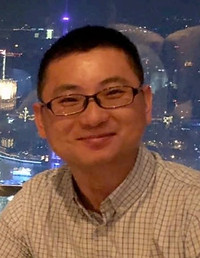
Application of Ground Improvement Technology for Ultra Soft Clay: Double Stage Vacuum Consolidation Method
Dr. Liu Yu
Shanghai Geoharbour Construction (Group) Co., Ltd
Abstract :
TBA
Biography :
Dr. Liu Yu is currently the Director of the Indonesia Branch of Shanghai Geoharbour Construction (Group) Co., Ltd., a position he has held since July 2012. He holds a Ph.D. in Geotechnical Engineering from Zhejiang University (2004–2010) with research and professional expertise focused on soil improvement methods such as vacuum consolidation, dynamic compaction, vibroflotation, stone column, and deep cement mixing, as well as pile foundation and reclamation projects.

Calculation of Effective Soil Shear Strength Parameters from Pressuremeter Test Data
Dr. Gouw Tjie Liong
GTL Geotechnical Consultant, Indonesia
Abstract :
The Pressuremeter test is commonly employed to determine the soil deformation modulus of both cohesive and cohesionless soils, as well as the undrained shear strength of clayey soils. At present, it remains the only in-situ soil testing technique capable of producing a complete stress–strain curve for the soil under investigation. Although the stress–strain curve obtained reflects lateral loading conditions, it bears notable similarity to the curve derived from conventional laboratory triaxial testing. Building on this observation, a method is proposed to calculate the effective shear strength of soil. The procedure involves establishing the relationship between Pressuremeter-induced cylindrical cavity expansion stresses and the corresponding radial strain, followed by matching the experimental Pressuremeter curve with the theoretical cavity expansion stress–strain response. Through this approach, the effective shear strength parameters—namely, effective cohesion and effective friction angle—can be derived. Actual Pressuremeter data are then utilized to validate the theory, and the resulting parameters are compared with triaxial test results. The comparison indicates that the parameters obtained from the Pressuremeter test are closely aligned with those derived from triaxial testing.
Biography :
Dr. Ir. (IPU) Gouw Tjie Liong, M.Eng., ChFC is a Senior Professional Geotechnical Consultant and Geotechnical Engineering Trainer/Lecturer based in Indonesia. He has over four decades of experience in geotechnical engineering, specializing in site investigation, soil instrumentation, deep foundation, and ground improvement techniques. He obtained his undergraduate and doctoral degrees in Civil Engineering from Parahyangan Catholic University, Indonesia, and his Master’s degree in Geotechnical Engineering from Asian Institute of Technology, Thailand. Since 1984, Dr. Gouw has been actively involved in the design and execution of geotechnical investigations, including in-situ testing (SPT, CPT, PDA, PIT), slope stability, tunneling, and soil improvement methods such as dynamic compaction, vertical drains, and grouting. He has contributed to more than 325 geotechnical projects across Indonesia, Singapore, and Sri Lanka. In addition to his professional work, he has extensive academic experience as a lecturer and trainer in geotechnical engineering and software applications. He has also contributed to the development of the Indonesian National Standard for Geotechnics. Dr. Gouw is an active member of several professional organizations, including the Indonesian Society of Geotechnical Engineering and the International Geosynthetics Society. He has published numerous technical papers in geotechnical engineering.